 Editorial Team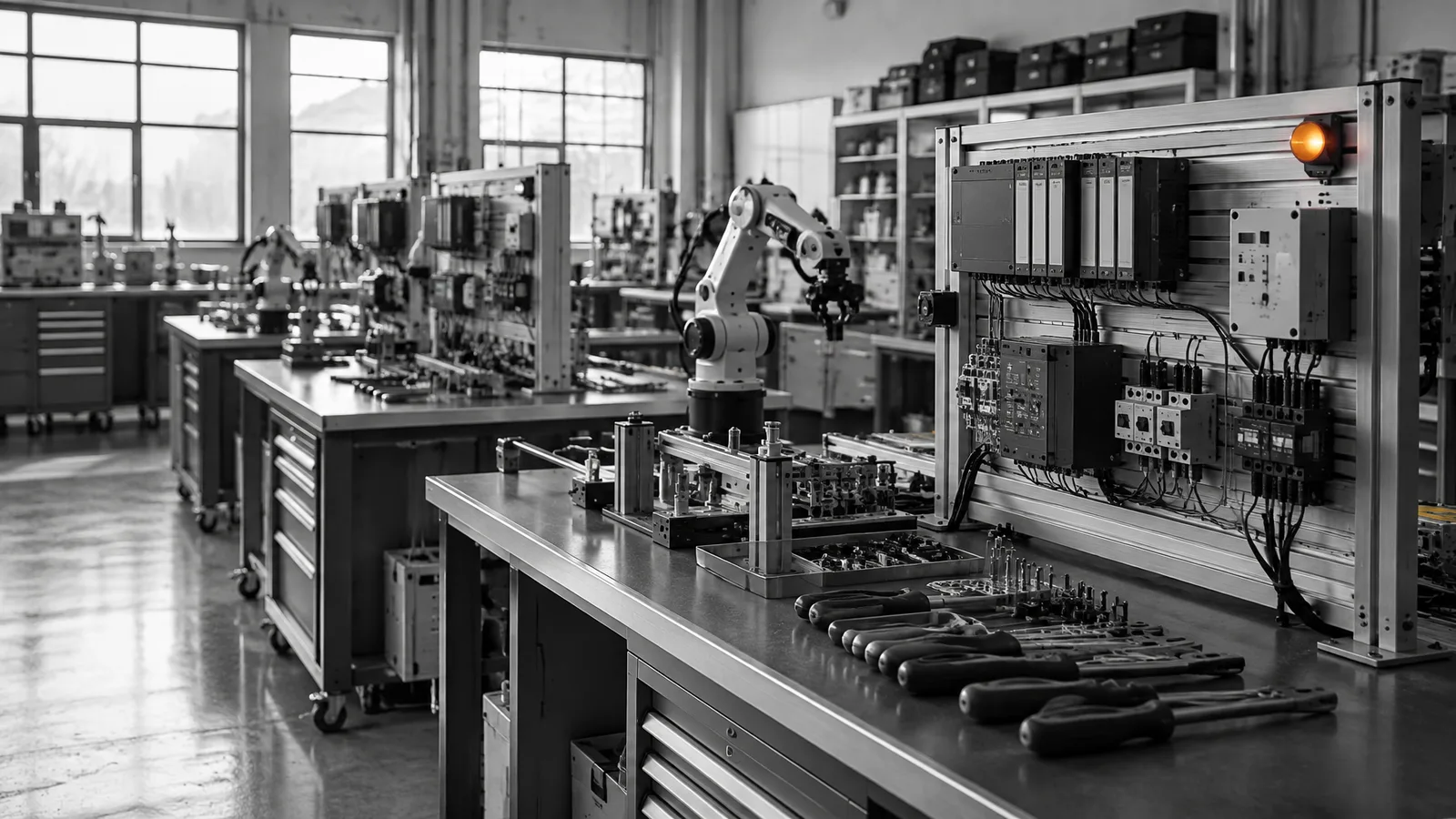
Siemens said on 1 September that AI will become part of every training and learning process for approximately 1,500 new apprentices and dual-study participants, with a curriculum covering smart manufacturing, digital twins, robotics and critical thinking.
As announcements go it is unspectacular, and it is worth more attention than it will get.
Why a training programme is an AI story
Every deployment covered on this site runs into the same constraint eventually. A vision system that flags a defect needs an operator who knows when to believe it. A predictive-maintenance alert needs a technician who can tell a developing bearing fault from a sensor drift. Jay Lee's three barriers, presented at IMTS this month, are all decided by people, none of them by a model.
There is also a regulatory dimension that most industrial operators have not yet costed. The EU AI Act's AI literacy duty has applied since 2 February 2025, it binds deployers as well as providers, and it covers the staff who work alongside an AI system. Unlike the high-risk obligations, which the AI Omnibus deferred to 2027 and 2028, this one is in force now.
The inclusion of critical thinking
The most interesting item in the list is the least technical one. A curriculum that teaches an apprentice to operate a digital twin but not to doubt its output produces exactly the failure mode that makes plant managers distrust AI systems: confident automation, uncritical operators, and a fault that nobody questioned until it reached the customer.
Siemens has not disclosed the cost of the programme or whether it extends beyond Germany.
Get the next one in your inbox
Every appointment, deployment and move in industrial AI. One email a week, free.